



Mid-sized companies frequently encounter significant barriers to securing growth capital. These firms often surpass the limitations of traditional bank loans, which are typically accompanied by restrictive covenants, elevated interest rates, and substantial collateral requirements. However, their balance sheets may not be sufficiently large to support a global, multi-billion-dollar bond issuance. This persistent gap has historically constrained leadership teams seeking to scale operations, acquire regional competitors, or restructure costly existing debt.
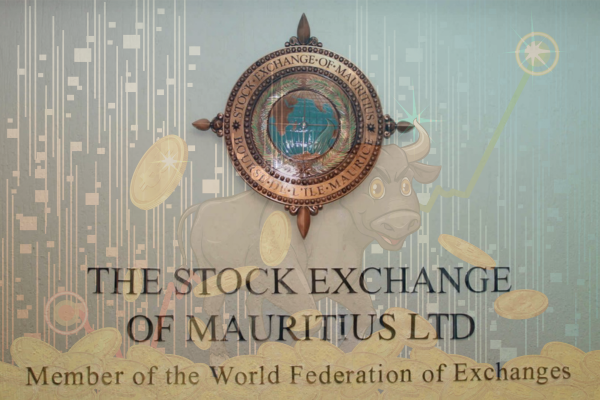
The Stock Exchange of Mauritius (SEM) is addressing these barriers through a comprehensive modernisation initiative, which is expected to catalyse significant growth in the local bond market by 2026. Accessing this capital, however, involves more than presenting a compelling business case to a bank manager. Structuring public or private debt instruments demands substantial technical expertise. Engaging specialised Finance Consulting Firms is the most effective strategy to connect mid-market growth objectives with institutional investors seeking reliable returns. The following sections examine the key drivers of this opportunity and outline the necessary steps for effective preparation.
The 2026 SEM Bond Market Boom: A Catalyst for Mid-Sized Growth
The ongoing transformation at the SEM represents more than a routine regulatory update; it constitutes a fundamental restructuring of regional capital flows. Historically, debt markets have predominantly favoured sovereign issuances or large, blue-chip conglomerates. Currently, the infrastructure is evolving to accommodate the needs of the middle market.
Several distinct catalysts make the 2026 window incredibly lucrative for growing businesses:
- Accelerated Settlement and Liquidity: The adoption of faster settlement cycles and extended trading hours has significantly increased liquidity within the exchange. Institutional investors can now allocate capital with reduced friction, making corporate bonds a more attractive option. These investors seek to deploy capital efficiently rather than leave it unutilised.
- The Surge of Sustainable Finance: Institutional capital is increasingly directed toward Environmental, Social, and Governance (ESG) initiatives, resulting in substantial demand for Green and Blue bonds. Mid-sized companies in sectors such as agriculture, renewable energy, or sustainable manufacturing can secure favourable borrowing rates by structuring bonds to align with these sustainability standards.
- Right-Sized Exchange Tiers: The development of segments such as the SEMX creates a tailored environment specifically for high-growth entities. The listing requirements are designed to balance rigorous investor protection with practical administrative demands, avoiding the excessive regulatory burden typically associated with large-cap issuers.
This evolving environment offers a significant opportunity for mid-sized companies to secure flexible capital. However, successfully leveraging these developments requires a detailed understanding of local market dynamics. While the necessary infrastructure exists, expert guidance remains essential to navigate the complexities involved.
Why Are Finance Consulting Firms Essential for Corporate Finance Advisory?
While the decision to issue a bond may appear straightforward, the processes of pricing, approval, and successful placement are highly complex and technically demanding.
Bond issuance involves engaging with a discerning audience of institutional asset managers, pension funds, and family offices, rather than negotiating with a single bank committee. In this context, the expertise of leading Finance Consulting Firms becomes essential rather than optional.
These firms manage the most complex aspects of the process, guiding issuers through three critical phases:
- Structuring the Right Deal: Issuers cannot simply offer generic debt and expect investor interest. Decisions regarding the issuance of plain vanilla bonds, floating-rate notes, or convertible bonds require careful analysis. Leading Corporate Finance Advisory teams evaluate multiple scenarios to align a company's cash flow profile with current market demand.
- Managing Regulatory Requirements: The SEM operates under the oversight of the Financial Services Commission (FSC). Preparing a comprehensive and mathematically rigorous bond prospectus is a complex task. Experienced advisors coordinate with legal, audit, and regulatory professionals to ensure adherence to timelines.
- Leveraging Private Networks: Even the most well-structured debt instruments require investor participation. Leading Advisory Services utilise established relationships to connect issuers with local and regional fund managers actively seeking mid-market debt opportunities. These firms manage roadshows and oversee book-building processes to ensure successful bond placement.
The Critical Role of Business Valuation Services in Debt Issuance
A common misconception among company founders is that business valuation is only required when preparing for a sale to a private equity firm. In practice, valuation forms the foundation of the debt capital markets.
Bond investors are fundamentally investing in a company's future cash-generating capacity. Without clear insight into the current enterprise value and projected cash flows under various economic scenarios, investors are unlikely to participate. Rigorous Business Valuation Services deliver the transparency necessary for accurate bond pricing. The interest rate assigned to a bond is directly linked to the perceived risk of the business. If a valuation appears opaque, insufficiently documented, or overly optimistic, the market compensates by demanding higher interest rates.
Additionally, the purpose of a bond issuance significantly influences the valuation methodology required. Many mid-sized issuers raise debt to finance acquisitions of smaller competitors. In such cases, precise valuation for mergers and acquisitions is essential. Issuers must not only demonstrate their own creditworthiness but also accurately assess the target company's value to avoid overpaying and jeopardising their financial position.
Employing specialised valuation techniques for mergers and acquisitions safeguards issuers from excessive debt burdens and protects bondholders from default risk. This approach demonstrates to the market that expansion strategies are grounded in rigorous financial analysis rather than speculative optimism.
How is the Financial Advisory Industry in Mauritius Adapting to Mid-Market Needs?
The infrastructure supporting capital markets in Mauritius has advanced significantly. A decade ago, mid-sized Mauritian or regional companies seeking complex bond structuring often had to engage firms in Johannesburg or London, incurring high consulting fees and working with teams that prioritised larger clients.
Currently, the Financial Advisory Industry in Mauritius is self-sufficient, sophisticated, and globally competitive. The sector is staffed by professionals with experience in major international financial centres who possess deep knowledge of the unique characteristics, risks, and opportunities within the African and Indian Ocean regional markets.
As a result of this local development, comprehensive Advisory Services are now available within Mauritius. Issuers can collaborate with local experts who provide ongoing support beyond the initial transaction, including post-issuance compliance, capital strategy, and future corporate initiatives as the business grows.
About Kick Advisory: Your Partner in the SEM Bond Market
Kick Advisory is a boutique corporate finance powerhouse specifically built to champion mid-market transactions. We flatly reject the factory-line, copy-paste approach to finance. Our philosophy centres entirely on the CEO's agenda; we view ourselves as a direct extension of your executive team, working relentlessly to unlock the capital you need to execute your strategic vision.
Our core strength lies in translating complex market mechanics into clear, actionable growth strategies. Whether we are providing bespoke, stress-tested Business Valuation Services to prepare your board for market entry, or executing a highly complex Corporate Finance Advisory mandate to list your debt on the SEM, our priority is always your long-term enterprise health. We bridge the critical gap, taking ambitious private entities and guiding them safely and profitably into the public capital markets.
Conclusion
The developments anticipated in 2026 at the SEM represent a unique convergence of regulatory alignment, market liquidity, and investor demand. For mid-sized issuers, this creates a viable and scalable alternative to traditional bank financing.
However, success in the capital markets depends on thorough preparation. Effective bond issuance requires meticulous structuring, strict regulatory compliance, and a robust, data-driven financial narrative. Whether the objective is to expand regional operations, refinance existing debt, or conduct precise valuations for mergers and acquisitions, attempting to navigate these processes without expert guidance poses significant risks. Early engagement with specialised Finance Consulting Firms such as Kick Advisory enables issuers to manage the complexities of the debt capital markets and secure the necessary funding for sustained growth.
Frequently Asked Questions
Q1. Why should mid-sized issuers partner with external firms for bond issuance?
External firms bring the technical expertise required to properly structure debt, navigate SEM regulations, and connect you directly with institutional buyers. This ensures a successfully funded and accurately priced capital raise.
Q2. What exactly do Corporate Finance Advisory services entail?
They guide businesses through major financial milestones like capital structuring, debt raising, and IPOs. The ultimate goal is to maximise shareholder value while maintaining a healthy balance sheet.
Q3. How do Business Valuation Services directly impact a bond issuance?
Transparent valuations demonstrate your financial health and cash flow resilience to investors. This verifiable data improves your creditworthiness, thereby lowering the interest rate you pay.
Q4. Is valuation for mergers and acquisitions different from standard bond issuance valuation?
Yes. M&A valuation highlights combined efficiencies and control premiums to justify a purchase price, whereas bond valuation focuses strictly on downside risk and your capacity to service ongoing debt
Q5. How is the Financial Advisory Industry in Mauritius supporting mid-sized businesses today?
The local industry bridges the critical gap between mid-market companies and institutional capital. They provide bespoke debt structuring previously reserved for massive multinational corporations.














The Hottest Valuation Trends for 2024

