




Quick Answer: Why Is Valuation Important in M&A?
Valuation determines the price paid in a merger or acquisition and influences whether the transaction creates or destroys shareholder value.
An inaccurate valuation can have significant consequences. If a buyer overpays by 20–30% based on unrealistic growth assumptions or unverified synergies, it may take years to recover the premium through post-acquisition earnings. Conversely, undervaluing a business can lead to failed negotiations, loss of trust, disputes between stakeholders, and missed opportunities for sellers.
A fair valuation combines financial performance, future cash flow expectations, market conditions, due diligence findings, and transaction-specific risks to establish a reasonable acquisition price.
Why Valuation Matters in M&A Deals
Mergers and acquisitions involve substantial financial commitments and strategic decisions. Whether a company is acquiring a competitor, entering a new market, or pursuing growth through acquisition, valuation serves as the foundation of the entire transaction.
A well-supported valuation helps:
- Determine a fair purchase price
- Strengthen negotiation positions
- Assess expected returns on investment
- Identify financial and operational risks
- Support financing and investor decisions
- Reduce the likelihood of disputes after closing
Without a reliable valuation, buyers risk overpaying, and sellers risk accepting less than the true value of their business.
What Happens When Valuation Goes Wrong?
Incorrect valuation is one of the most common reasons acquisitions fail to create long-term value.
Below are the most significant consequences.
1. The Buyer Overpays for the Business
Overpayment occurs when the acquisition price exceeds the target company's actual economic value.
Consider a company acquired for $10 million when its fair value is closer to $8 million.
The buyer effectively destroys $2 million of shareholder value immediately upon closing.
Consequences may include:
- Lower return on investment
- Increased debt burden
- Reduced earnings per share
- Goodwill impairment charges
- Shareholder dissatisfaction
In many cases, the expected benefits of the acquisition never fully compensate for the premium paid.
Example
Purchase Price: $10 million
Fair Value: $8 million
Value Lost: $2 million
This represents 20% of the total transaction value destroyed on day one.
2. The Seller Leaves Money on the Table
Undervaluation can be equally costly.
When sellers accept a valuation below the company's true worth, they may permanently lose the opportunity to realise value created over years of investment and growth.
Common causes include:
- Weak negotiation preparation
- Inadequate financial analysis
- Failure to identify strategic buyers
- Lack of independent valuation advice
This risk is particularly relevant for owner-managed businesses preparing for succession or exit.
3. Synergies Fail to Materialise
Many acquisitions are justified by expected synergies.
Examples include:
- Cost savings
- Shared infrastructure
- Cross-selling opportunities
- Geographic expansion
- Improved operational efficiency
However, if these synergies are overstated during valuation, the transaction can quickly become uneconomic.
A valuation based on optimistic assumptions rather than evidence often results in disappointing post-acquisition performance.
4. Integration Challenges Reduce Deal Value
Valuation models frequently assume seamless integration after closing.
In reality, acquisitions often face:
- Employee turnover
- Cultural conflicts
- Technology integration issues
- Customer attrition
- Operational disruption
Even a technically accurate valuation can become problematic if integration challenges reduce the expected benefits of the transaction.
5. Legal and Regulatory Disputes
Valuation disagreements can create significant legal complications.
Disputes commonly arise regarding:
- Earn-out calculations
- Working capital adjustments
- Minority shareholder rights
- Share purchase agreements
- Purchase price allocations
When valuation methodologies are unclear or unsupported, transactions become more vulnerable to litigation, arbitration, and regulatory scrutiny.
How Businesses Are Valued in M&A Transactions
There is no single valuation method suitable for every transaction.
Advisors typically apply multiple approaches and compare the results.
-
Discounted Cash Flow (DCF) Method
The DCF method estimates value based on the present value of expected future cash flows.
It is particularly useful when:
- Cash flows are predictable
- Future growth can be reasonably estimated
- Long-term value drivers are understood
DCF is often considered one of the most theoretically robust valuation methods.
-
Comparable Company Analysis
This approach values a business by comparing it with similar publicly traded companies.
Common valuation multiples include:
- EV/EBITDA
- EV/Revenue
- Price-to-Earnings (P/E)
The method reflects current market sentiment and industry benchmarks.
-
Precedent Transaction Analysis
This method examines acquisition multiples paid in comparable transactions.
Because it reflects actual acquisition prices, it often captures the control premium buyers are willing to pay.
-
Asset-Based Valuation
This approach calculates value based on the company's assets minus liabilities.
It is commonly used for:
- Asset-intensive businesses
- Distressed companies
- Liquidation scenarios
Read more:- M&A Trends 2026: From Standard to Elite with Kick Advisory Services
Worked Example: How Different Valuation Methods Can Produce Different Answers
Consider a mid-sized company with the following financial profile:
|
Metric |
Value |
|
EBITDA |
$3 million |
|
Net Debt |
$1 million |
Comparable Company Analysis
Assume similar businesses trade at:
6× EBITDA
Enterprise Value:
$3 million × 6
= $18 million
Equity Value:
$18 million − $1 million
= $17 million
Discounted Cash Flow Analysis
Using:
- 15% discount rate
- 3% terminal growth rate
The DCF valuation produces:
Enterprise Value = $16.5 million
Equity Value = $15.5 million
Why This Difference Matters
The gap between the two methods is:
$18 million − $16.5 million
= $1.5 million
If expected synergies fail to materialise, the buyer may effectively overpay by $1.5 million.
This amount represents approximately 50% of one year's EBITDA.
The example demonstrates why experienced advisors rarely rely on a single valuation methodology.
Due Diligence: What Should It Catch Before the Deal Closes?
Valuation should never occur in isolation.
A comprehensive due diligence process helps verify assumptions and identify risks that may affect transaction value.
Financial Due Diligence
Reviews:
- Revenue quality
- Cash flow sustainability
- Working capital requirements
- Debt obligations
Operational Due Diligence
Examines:
- Supplier concentration
- Key employee dependence
- Production efficiency
- Operational scalability
Commercial Due Diligence
Assesses:
- Market position
- Competitive landscape
- Customer concentration
- Growth opportunities
Legal Due Diligence
Identifies:
- Litigation risks
- Regulatory compliance issues
- Contract obligations
- Intellectual property concerns
Findings from due diligence frequently lead to valuation adjustments before a deal closes.
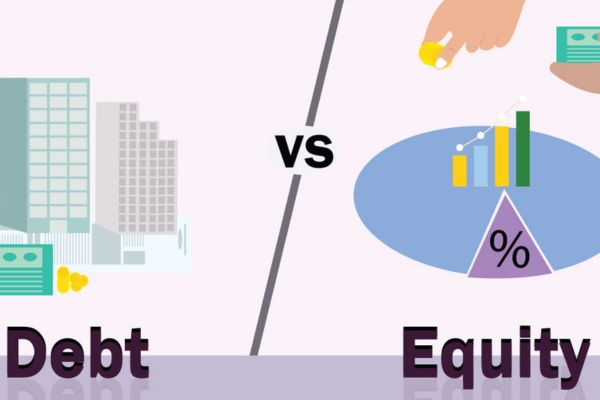
Enterprise Value vs Equity Value
One of the most misunderstood concepts in M&A is the distinction between enterprise value and equity value.
Enterprise Value (EV)
Represents the total value of the business, including debt.
Equity Value
Represents the value attributable to shareholders after debt obligations are deducted.
The relationship can be summarised as:
Enterprise Value = Equity Value + Net Debt
Most acquisition negotiations begin with enterprise value before adjustments are made for debt, cash, and working capital.
What Is Goodwill in an Acquisition?
Goodwill represents the amount paid above the fair value of identifiable net assets acquired in a transaction.
Goodwill typically reflects:
- Brand value
- Customer relationships
- Intellectual property
- Future growth expectations
- Strategic synergies
If future performance falls short of expectations, goodwill may need to be impaired, reducing reported earnings.
How Is Valuation Negotiated in an M&A Deal?
Valuation is rarely determined by a single formula.
Negotiations typically focus on:
- Historical performance
- Growth projections
- Synergy assumptions
- Market multiples
- Risk allocation
- Deal structure
Mechanisms such as earn-outs and purchase price adjustments are often used to bridge valuation gaps between buyers and sellers.
Conclusion
Valuation is far more than a pricing exercise. It influences negotiations, financing decisions, risk assessment, and the long-term success of an acquisition.
A valuation that is too high can destroy shareholder value and create years of integration challenges. A valuation that is too low can result in lost opportunities and failed negotiations.
By combining multiple valuation methods with rigorous due diligence, Kick Advisory helps businesses improve transaction outcomes and make more informed M&A decisions.
Frequently Asked Questions
Q1. Why is valuation important in M&A?
Valuation determines the transaction price and helps buyers and sellers assess whether a deal is financially justified.
Q2. What happens when a company is overvalued in an acquisition?
The buyer may overpay, reduce future returns, face impairment charges, and struggle to recover the acquisition premium.
Q3. What valuation method is most commonly used in M&A deals?
Most transactions use a combination of DCF analysis, comparable company analysis, and precedent transaction analysis.
Q4. How do you negotiate valuation in an M&A deal?
Valuation negotiations typically focus on growth assumptions, market multiples, synergies, and transaction risks.
Q5. What is a purchase price adjustment?
A purchase price adjustment modifies the final acquisition price after closing based on factors such as working capital, cash balances, or debt levels.
Q6. What is the difference between enterprise value and equity value?
Enterprise value reflects the total value of the business, while equity value represents the portion attributable to shareholders after debt is deducted.
Q7. What causes M&A deals to fail after closing?
Common causes include overpayment, unrealistic synergy assumptions, cultural integration issues, inadequate due diligence, and poor execution of post-merger plans.















The Hottest Valuation Trends for 2024

